
Types of Pain
Cyclic breast pain
This kind of breast pain is related to hormonal changes that take place during the menstrual c ycle. It commonly affects both breasts and may be accompanied by lumpiness or edema.
Cyclical breast discomfort typically starts a few days to a week before monthly bleeding begins and may last all the way through the menstrual cycle. As the menstrual cycle comes to a conclusion, it usually gets better.
- Breast Pain
- Tenderness
- Swelling
- Prickling
- Emotional Impact
- Hormonal Fluctuations: The hormonal changes that take place during the menstrual cycle are the main cause of cyclic breast discomfort.
- Hormonal Imbalance:Cyclical breast discomfort may be caused by an imbalance in the hormones progesterone and estrogen. Some women may have higher levels of estrogen or a relative lack of progesterone, which can increase the sensitivity and pain of the breast tissue.
- Breast Tissue Sensitivity:Due to heightened pain and discomfort during the menstrual cycle, some women's breast tissue is more sensitive to hormonal changes.
- Constant or Intermittent Pain
- Sensations that might be intense, burning, or painful
- Tender
- Swelling
- Changes in Nipple
- Heavy
- Breast discomfort that is not caused by hormonal changes during the menstrual cycle is referred to as non-cyclic breast pain
- Non-cyclic breast pain can happen at any moment and is frequently restricted to particular region of the breast, in contrast to cyclic breast pain, which typically has a predictable pattern.
- Hormonal Changes: Non-cyclical breast pain can also be brought on by hormonal fluctuations.
- Birth Control Pills.
- Pregnancy.
- fibrocystic breast Changes: Breast tissue thickening, cyst development, and lump formation are all symptoms of fibrocystic breast alterations. Breast pain that isn't always tied to the menstrual cycle can result from these changes.
- Breast Infections: Significant breast pain can result from infections in the breast tissue, such as mastitis or abscesses.
- Infertility Medications
- Trauma or Injury: Non-cyclic breast pain can be caused by any kind of trauma to the breast, including blows, falls, or too much pressure.
- Breast Cysts: Cysts, which are fluid-filled sacs that can form in the breast tissue and cause pain and discomfort. These cysts can range in size can be solitary, numerous, or both.
- Nerve related Issues:Non-cyclic breast pain can be brought on by neuropathic pain disorders or nerve-related ailments such intercostal neuralgia (nerve irritation between the ribs), thoracic outlet syndrome (compression of nerves or blood vessels in the upper chest), or thoracic outlet syndrome.
- Breast Cancer: Although there is no known cause for breast cancer, various risk factors can raise one's chances of getting the disease. These include age, inherited gene mutations (including BRCA1 and BRCA2), personal history of breast cancer or other breast diseases, hormonal variables (early menstruation, late menopause), obesity, estrogen exposure, and radiation exposure.
Non-Cyclic breast pain
Breast discomfort that is not caused by hormonal changes during the menstrual cycle is referred to as non-cyclic breast pain. Non-cyclic breast pain can happen at any moment and is frequently restricted to a particular region of the breast, in contrast to cyclic breast pain, which typically has a predictable pattern.
What Can I do

Seek Advice
It is crucial to see a doctor for a comprehensive evaluation if you feel unexplained breast pain or discomfort that cannot be linked to any obvious reasons or if the pain is accompanied by other serious symptoms.
When to consult a doctor
It is advised to see a doctor for further assessment if you have attempted self-care strategies and precautions for cyclic breast pain but haven’t noticed any relief or if the discomfort lasts longer than your menstrual cycle.
While you wait
- Choose relaxation therapy over hormone therapy
- Eat more complex carbohydrates while maintaining a low-fat diet.
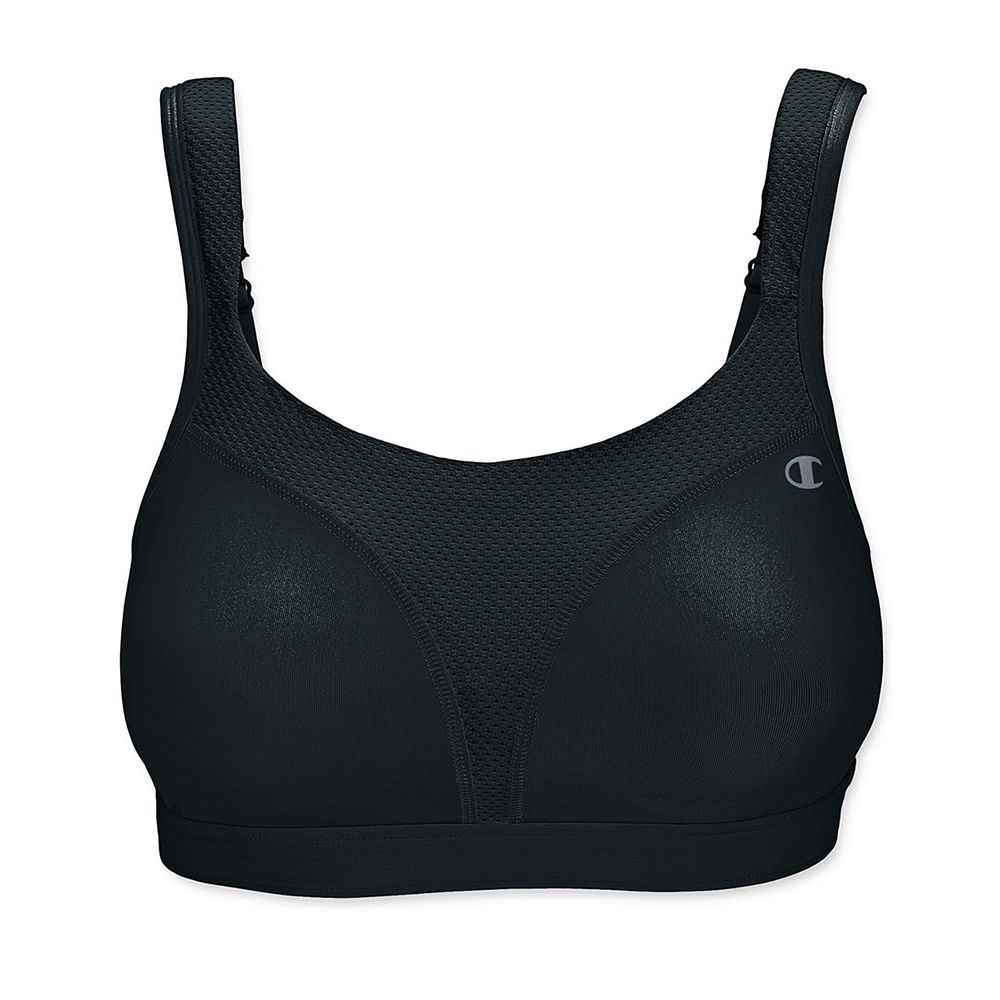
- Wear a well-fitting , supportive bra.
- Wear comfortable clothes and avoid tight clothes.
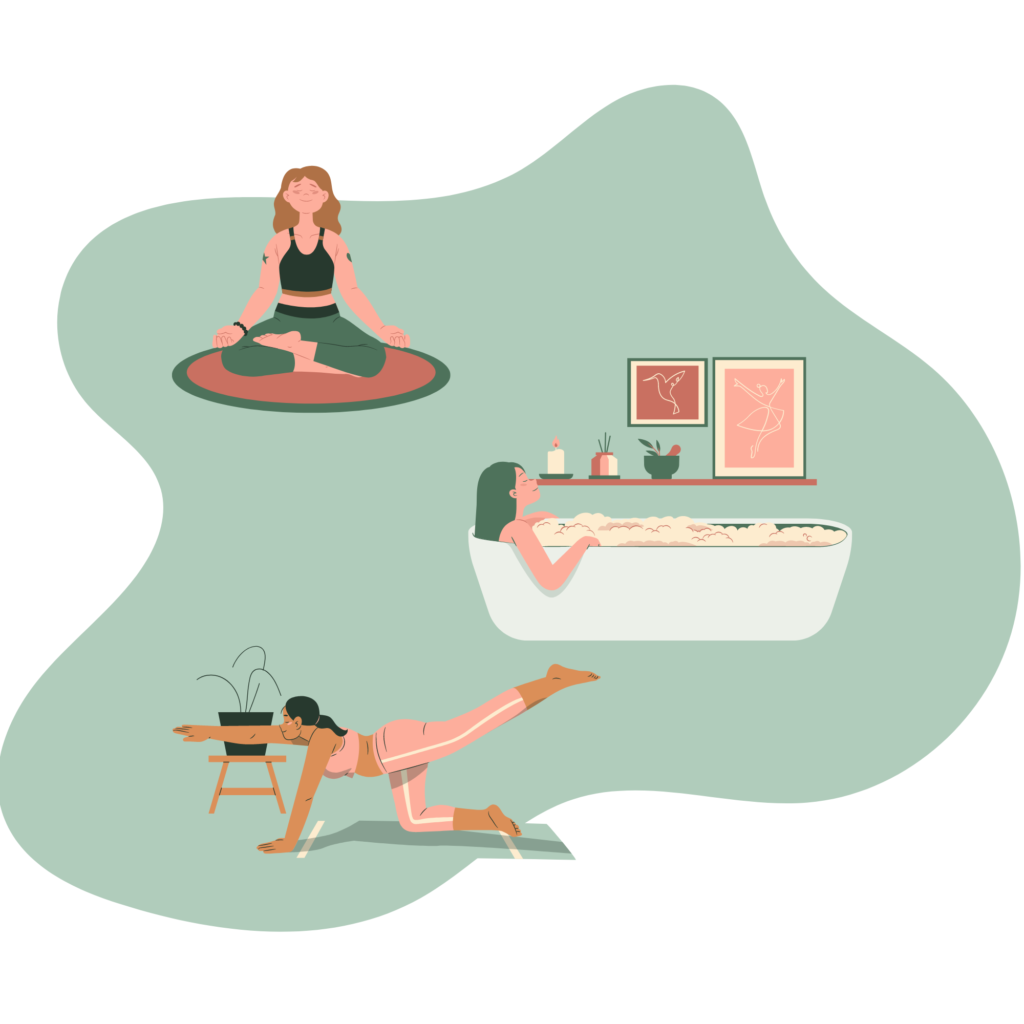
- Warm showers might assist to relax the breast tissue and ease discomfort.Self-care activities should be taken to encourage rest and wellbeing. Take warm baths, perform easy stretches, or receive regular massages as examples of how to do this .Monitor any changes in your breasts by performing routine self-examinations. Speak with a medical practitioner if you discover any new lumps, changes in your breast tissue, or Precaution:other anomalies